AC Repair for Homes That Stopped Cooling
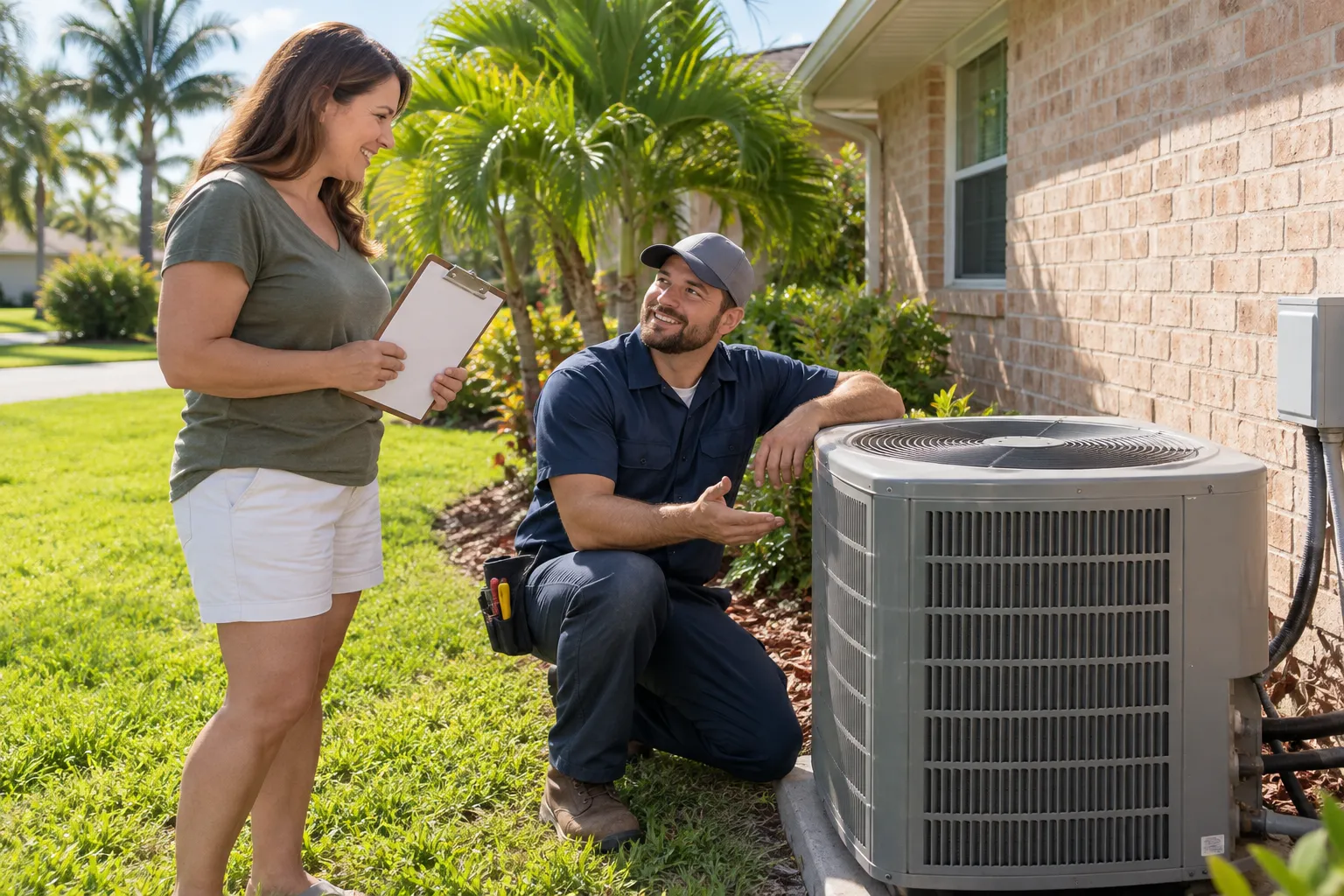
When the AC quits in hot, humid weather, it helps to have a plan. Individualsshoulder Heating & Air is a referral service. It does not do the repair work. It helps you understand what may be wrong, what your choices are, and what usually happens next.
After that, we connect you with independent providers in our network who work near Fate. A provider inspects the system, explains the problem, and gives a written quote. You compare, ask questions, and decide. There is no obligation to hire anyone. A repair done right keeps your home comfortable and protects its value for years to come.
AC Stopped Cooling? Run This Checklist First
Hot, humid weather makes a dead AC feel urgent. Before you search for emergency AC repair, spend ten minutes on the simple checks below. Some problems take one minute to fix.
First, check basics
- Set the thermostat to cool, with a target below the room temperature.
- Replace thermostat batteries if it uses them.
- Look at the breakers for both the indoor and outdoor units.
- Check the air filter. A clogged filter chokes airflow.
- Clear leaves, grass and debris from around the outdoor unit.
Next, stay safe
Turn the system off at the thermostat if you see ice on the lines, smell burning, or hear grinding. Do not open electrical panels on the unit. Do not hose down a running unit. Leave refrigerant and wiring to a qualified provider.
Then, ask for help
Still warm inside? Request a callback to check provider availability. Many providers can respond quickly when a home is hot and humid.
Common Signs Your AC Needs Repair
Problems often start small. Catch them early and the fix is often smaller too.
Act on these soon
- Warm air from the vents while the fan runs
- Ice on the copper line or indoor coil
- Water pooling near the indoor unit
- Burning smells or a breaker that keeps tripping
- Loud grinding, squealing or banging
Schedule these soon
- Weak airflow from some rooms
- The system turns on and off in short bursts
- Rooms feel sticky even when the air is cool
- Energy bills rise with no change in use
Know Your Options First
Not every cooling problem means a big bill. Most homes face one of three paths:
- Small repair. One part, such as a capacitor or contactor, is swapped.
- Larger repair. A fan motor, coil or leak needs more parts and labor.
- Replacement. The system is worn out, and repair stops making sense.
A provider can tell you which path fits after seeing the system. Replacement has its own page on this site.
What Happens During an AC Repair Visit
Knowing the steps keeps you in control. A typical HVAC service visit runs like this:
- Step 1: Questions. The provider asks what you noticed and when it began.
- Step 2: Inspection. They check the thermostat, filter, coils, fans, drain and wiring.
- Step 3: Testing. They measure airflow, temperature drop and electrical readings.
- Step 4: Diagnosis. They explain the cause in plain words.
- Step 5: Written quote. You see the price and any options before work begins.
- Step 6: Repair and test run. With your approval, the provider fixes the problem and confirms the system cools.
Common AC Repairs
These are the jobs providers handle most often:
- Capacitor or contactor replacement
- Condenser or blower fan motor repair
- Refrigerant leak repair and recharge
- Clearing a clogged condensate drain
- Thermostat or control board repair
- Frozen coil cleanup and airflow fixes
- Compressor replacement, the largest repair on this list
Local Conditions That Stress Cooling Systems
Long, humid summers
Your AC may run for months with little rest. Wear adds up, and drains clog with algae and dust.
Hot attics and slab homes
Many ranch homes keep the air handler in a very hot attic. A blocked drain there can drip onto ceilings. Ask the provider to check the drain pan and safety switch.
Storm season
Heavy rain and power surges can damage the outdoor unit and its controls. After a storm, wait for the power to settle, then check the basics above.
Repair or Replace?
Use this short checklist:
- A newer system with one failed part usually points to repair.
- An old system with repeated breakdowns often points to replacement.
- A leaking coil on an aging unit deserves a side-by-side quote.
- If a repair costs a large share of a new system, compare both options.
Ask for both numbers in writing. Then you can decide with facts, not pressure.
Protect Your Home's Value
A well-kept cooling system helps control humidity, which protects wood, drywall and furnishings. Documented repairs also show future buyers that the home was cared for. Keep every invoice.
Questions to Ask the Provider
- What caused the problem, and can you show me?
- Is the quote written, with parts and labor listed?
- Does the repair come with a parts or labor warranty from your company?
- Are there other options at a different price?
- What upkeep would prevent this next summer?
Next, Compare Quotes
Get at least one written estimate, and two if the repair is large. Compare the cause, the parts, the warranty and the total. Take your time with big decisions. Request an estimate when you are ready, with no obligation.
What's Included
Cooling Diagnosis
A provider checks airflow, temperature drop, electrical parts and drainage to find why your system stopped cooling.
Part Repairs
Capacitors, contactors, motors and thermostats can often be repaired or replaced.
Refrigerant and Coils
Leak checks, coil cleaning and thawing iced lines are common parts of a cooling repair.
Drain and Airflow Fixes
Providers clear clogged condensate drains and fix airflow problems that cause water leaks and weak cooling.
Typical AC Repair Costs
Prices vary with the system, the part and the home. These are typical U.S. ranges only. Always get a written quote that lists parts and labor before you approve any work.
| Repair item | Typical range | Notes |
|---|---|---|
| Diagnostic visit | $75 – $200 | Often applied toward the repair if you approve it |
| Capacitor replacement | $120 – $400 | Common fix when the fan or compressor will not start |
| Contactor or relay | $150 – $450 | Wears out from heavy summer use |
| Drain line clearing | $100 – $350 | Prevents water leaks and shutoffs |
| Fan motor replacement | $400 – $1,200 | Depends on indoor or outdoor motor |
| Refrigerant leak repair and recharge | $300 – $1,500 | Leak location and refrigerant type matter |
How It Works
Check the basics
Look at the thermostat, filter, breakers and outdoor unit. Turn the system off if you see ice or smell burning.
Call or request
Request a callback to check provider availability, or use the request form to ask for an estimate.
Compare quotes
Review the cause, parts, labor and warranty in each written quote.
Approve the repair
Choose a provider, confirm the work, and keep your invoice.
Why Call Individualsshoulder Heating & Air
Options First
We explain the likely paths, repair or replacement, so you understand the choices before any provider starts work.
Local Providers
You connect with independent providers who serve homes near you and know the local climate.
Clear Steps
Simple checklists show what to try, what to ask and what to expect at each stage.
No Obligation
Compare quotes at your own pace. You decide whether to hire anyone.
Other Services
Need ac repair in Fate?
- Check your options before you commit
- Independent local providers in your area
- Repair, furnace or replacement help
- No obligation
AC Repair FAQ
Why is my AC running but not cooling?
Common causes include a dirty filter, a tripped breaker on the outdoor unit, a failed capacitor, a frozen coil or low refrigerant. Check the filter and breakers first, then ask a provider to inspect it.
Is it worth repairing an old air conditioner?
It depends on age, repair cost and how often it breaks down. If one part failed on a fairly new unit, repair often makes sense. Ask for both quotes.
Why is there ice on my AC unit?
Ice usually points to restricted airflow or low refrigerant. Turn the system off, let it thaw, and replace a dirty filter. If ice returns, have a provider find the cause.
Reach a local provider
Ready to sort out your AC or furnace problem? Send a request or reach out by email. Share a few details and we will point you to a provider.
No obligation